
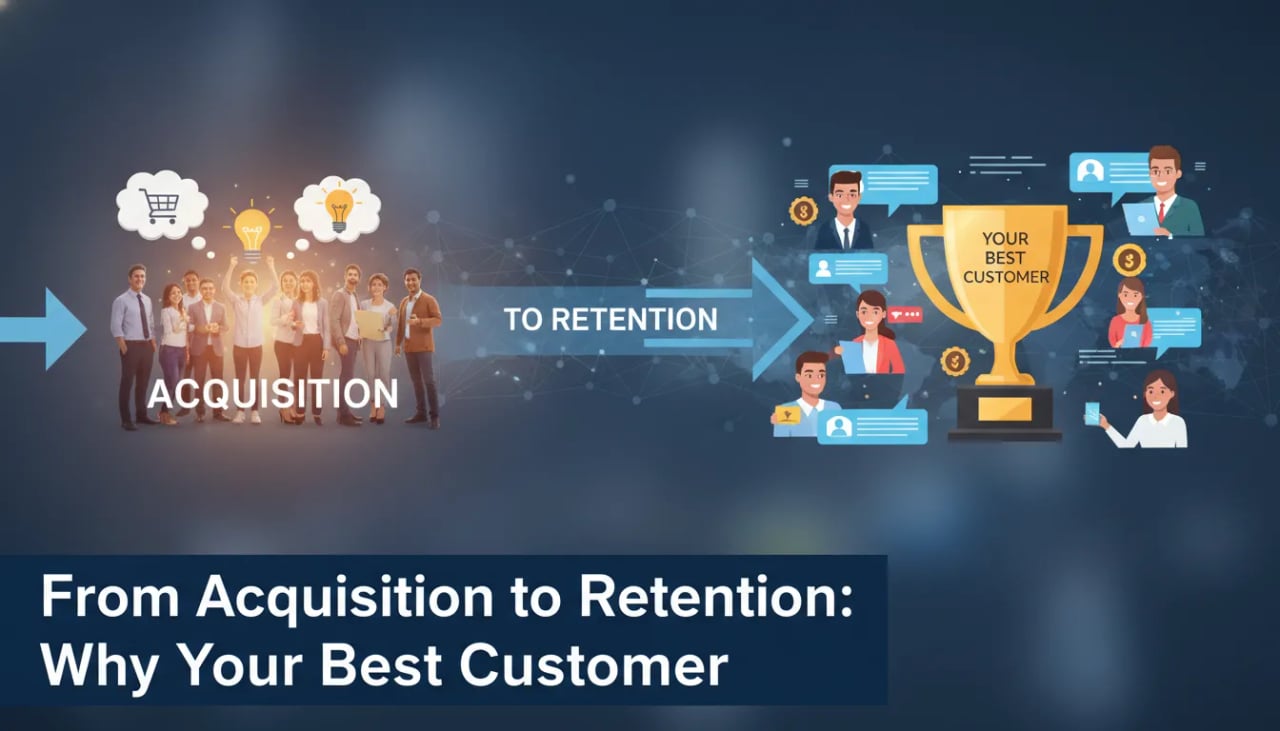

From Acquisition to Retention: Why Your Best Customer is Your Current One The "Why": In a tighter 2026 economy, it is officially cheaper to keep a customer than to find a new one. Social commerce (like TikTok Shop) has made the market noisier and more expensive.
Did You Know?
Retention is 5–25× cheaper than acquisition across industries; CAC has surged 222% over eight years, making retention the highest-ROI lever in 2026.
Source: Industry benchmarks, 2026 reports
Expect data-backed proof: CAC has surged 222% over eight years and now outpaces retention by 5–25×, while healthy companies target an LTV:CAC of 3:1. You'll learn how TikTok Shop and rising ad costs on Google Ads and Meta shifted CAC dynamics, plus practical retention tactics—using Klaviyo flows, Shopify subscriptions, post-purchase workflows in HubSpot, and TikTok Shop Subscribe-and-Save. Benchmarks include B2B SaaS CAC moving from $702 to ~$1,200 and enterprise retention at 82% versus micro at 64%. The section maps a practical budget and ops roadmap to reprioritize spend toward retention.
Why retention outperforms acquisition in 2026
Retention vs Acquisition: Quick Points
Rising CAC
Customer acquisition cost rose ~222% over eight years and ~60% in the last five, driven by ad inflation and privacy changes.
Retention is Cheaper
Across industries retention is 5–25× cheaper than acquisition, making small retention gains highly profitable.
LTV:CAC Pressure
The ideal LTV:CAC ~3:1 is harder to reach as CAC climbs — boosting retention restores margin quickly.
Scale Differences
Enterprise sees ~82% retention with CAC ~$1,847, while micro-businesses average 64% retention with CAC ~$213.
Social Commerce Noise
Platforms like TikTok Shop have raised acquisition costs, so sustaining customers via retention channels is higher ROI.
In 2026, acquisition economics have shifted: customer acquisition cost (CAC) has surged — roughly +222% over eight years and about +60% in the last five — driven by ad inflation and privacy changes. That pressure makes retention the highest-ROI lever for growth teams.
From Acquisition to Retention: Why Your Best Customer is Your Current One The "Why": In a tighter 2026 economy, it is officially cheaper to keep a customer than to find a new one. Social commerce (like TikTok Shop) has made the market noisier and more expensive.
Benchmarks show retention is 5–25x cheaper than acquisition across industries. Average B2B SaaS CAC rose from about $702 baseline to roughly $1,200 in 2025 (≈70% increase).
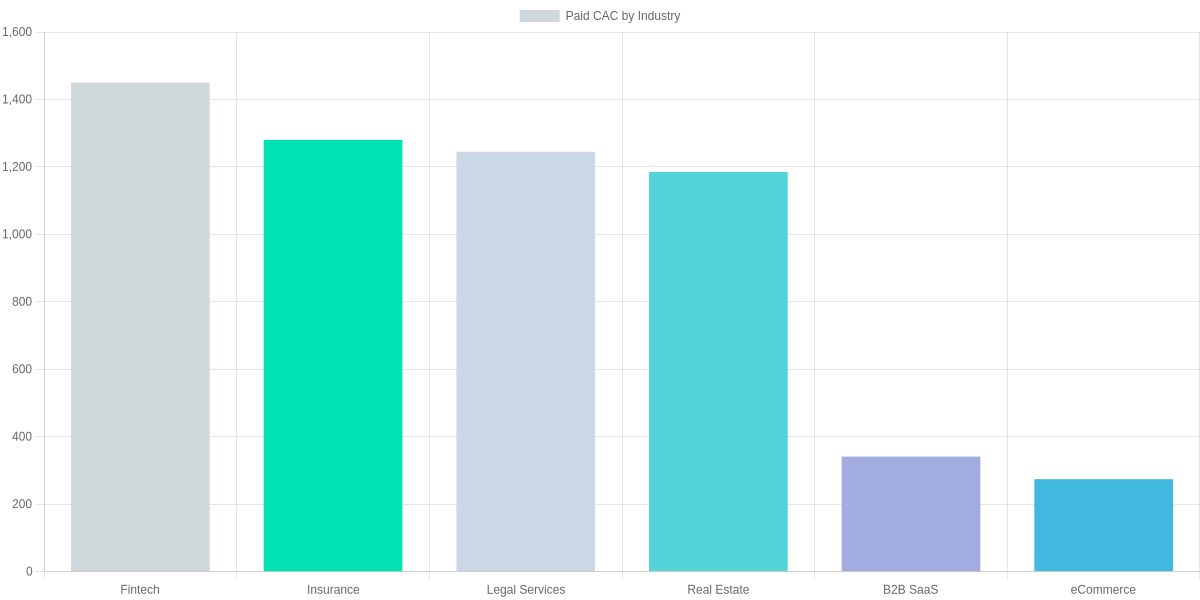
Industry paid-CAC varies: fintech ~$1,450, insurance ~$1,280, legal services ~$1,245, real estate ~$1,185, B2B SaaS ~$341, and eCommerce ~$274 — these are the channels where acquisition spend compounds quickly.
Company scale matters: enterprise firms report roughly 82% retention with CAC about $1,847, mid-market ~76% retention with CAC ~$892, small business ~71% retention with CAC ~$427, and micro-business ~64% retention with CAC ~$213. Those gaps show where retention investments compound LTV most effectively.
The ideal LTV:CAC remains near 3:1, but rising CAC makes that target harder. A 1–3 percentage-point lift in retention multiplies customer lifetime value and typically outperforms equivalent spend on new-customer acquisition.
Practical tactics include owned channels and orchestration: email/SMS platforms such as Klaviyo, enterprise engagement platforms like Braze, and unified CRMs like HubSpot reduce reliance on paid social. Choosing the right tool depends on volume, channel mix, and price sensitivity.
| Feature | Klaviyo | Braze | HubSpot CRM |
|---|---|---|---|
| Typical starting price (annual) | ~$1,000 for SMB plans (varies with list size) | Starts around $12,000+ annually for enterprise | Free CRM available; paid Marketing Hub starts ~$50/month |
| Primary focus | Email & owned-channel automation | Cross-channel customer engagement (mobile, email, web) | CRM + marketing automation for growth teams |
| Typical reported ROI / impact | Retailers report 3x–5x marketing ROI and measurable repeat purchase lift | Enterprises report 2x–4x repeat engagement uplift in case studies | SMBs report improved retention via centralized customer data; ROI varies widely |
| Best for | eCommerce and direct-to-consumer retention | Large apps and enterprises prioritizing in-app and mobile engagement | Businesses needing unified CRM and simple retention workflows |
For example, average B2B SaaS CAC rose from roughly $702 to about $1,200 by 2025; top-quartile spend and top performance widen the gap between acquisition-heavy and retention-first firms.
Even modest retention lifts change unit economics: raising retention by 2% on a cohort with average LTV $500 increases LTV by roughly $10 per customer and scales multiplicatively across the base, often exceeding the marginal return of an equal acquisition budget.
Start by measuring cohort retention, run tests on owned channels, and reallocate spend where LTV improves most quickly.
The social commerce shock: TikTok Shop and rising market noise
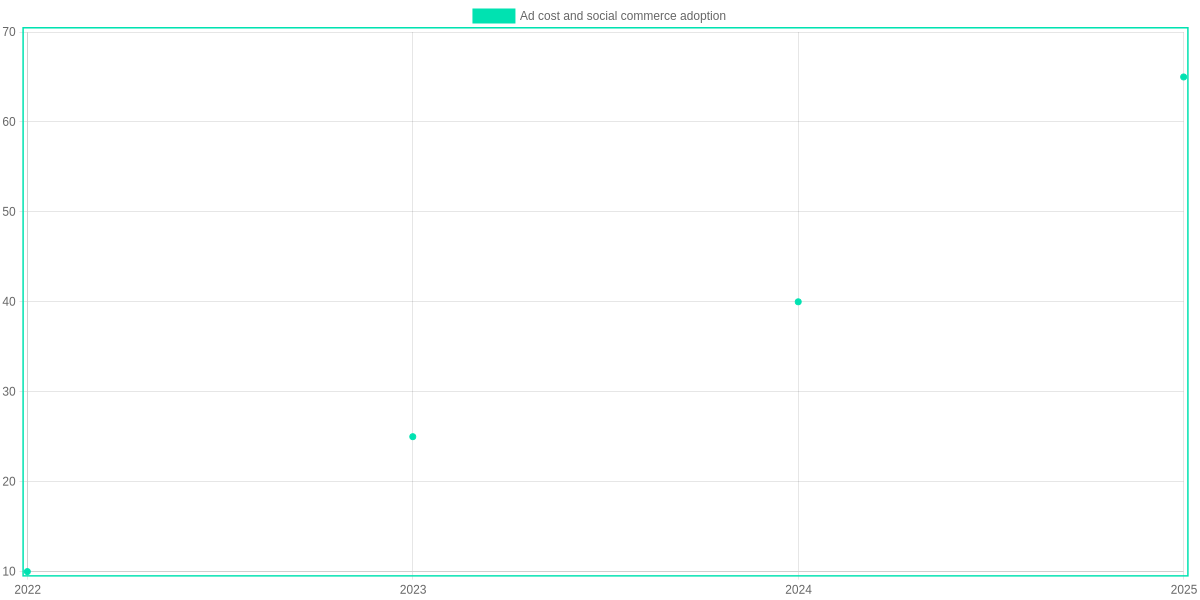
TikTok Shop, Instagram Reels Shopping, Meta Shops, Amazon Live and Shopify’s live integrations expanded paid/social ad inventory across 2023–2025, multiplying real-time bidding on CPMs. That extra inventory increased competition for the same consumer attention and pushed auction dynamics toward higher CPC/CAC.
TikTok Shop: More Inventory, More Noise
TikTok Shop expanded paid ad slots and live shopping integrations, increasing bidding competition and driving up CPMs. Sellers can use subscription offers to stabilize revenue and lift LTV.
- ✓ Expanded paid/social ad inventory
- ✓ Higher CPMs and CAC pressure
- ✓ Subscribe-and-Save reduces churn
Privacy rules (ATT, cookieless tracking) and frequent algorithm updates made targeting less predictable. Advertisers faced ad inflation: CAC surged 60% over the last five years and 222% over eight years, making acquisition 5–25× costlier than retention.
Market impact and benchmarks
Benchmarks underline the pressure: average eCommerce CAC sits near $274 (paid/organic split), B2B SaaS averages climbed from a $702 baseline to roughly $1,200 in 2025. Enterprise CACs reach $1,847 with retention at 82%, while micro-business CACs are near $213 with 64% retention.
Short-form commerce—TikTok Shop live streams and Reels product tags—boosts impulse conversion, but these one-click buys expose weak post-purchase experience. Without reliable fulfillment, predictable replenishment and retention nudges, churn rises and LTV compresses.
Subscribe-and-Save and subscription models act as countermeasures. Tools like ReCharge, Bold Subscriptions, Klaviyo Subscriptions and Amazon Subscribe & Save turn impulse buyers into recurring customers, smoothing revenue and lifting LTV while lowering effective CAC over time.
Operational changes matter: simplify post-purchase flows, offer predictable delivery windows, seed replenishment with email and SMS via Klaviyo, and surface loyalty incentives through Yotpo or LoyaltyLion. Measure repeat purchase rate, churn and an LTV:CAC target of 3:1 or higher.
Platform-specific plays reduce volatility: use TikTok Shop bundles, A/B test Live stream CTAs, prioritize first‑order subscriptions on Shopify through Recharge, and route post-purchase triggers to CRM stacks to convert impulse traffic into durable cohorts.
Vertical disparities are stark: Fintech average CAC exceeds $1,450, insurance near $1,280 and legal services around $1,245—making subscription economics particularly vital for high-ticket categories. Low-mid ticket eCommerce (avg ~$274 CAC) can still benefit greatly by increasing repeat rate through Subscribe-and-Save.
Retention economics are compelling: retaining customers is often 5–25× cheaper than acquiring new ones, and teams targeting an LTV:CAC of 3:1 see better funding efficiency. Combine Klaviyo or Postscript for post-purchase messaging, Gorgias or Zendesk for service, and loyalty platforms to lock-in recurring revenue, and monitor cohort LTV monthly closely.
High-ROI retention tactics that actually work
Subscription and Subscribe-and-Save models automate replenishment, raise purchase frequency, and reliably boost lifetime value for consumables. Recharge powers many D2C subscription programs and is especially effective for CPG and repeat consumables when paired with a modest subscription discount and clear cadence options.
Loyalty programs and tiered benefits reward repeat behavior without racing to the bottom on price. Use LoyaltyLion or similar platforms to tie tiers to meaningful perks — exclusive SKUs, early access, or points toward experiences — which reduces churn more sustainably than sitewide coupons.
Personalization and lifecycle messaging cut churn by delivering relevant post-purchase flows and product recommendations. Klaviyo-driven email and SMS flows (welcome, post-purchase, replenishment, win-back) convert more repeat buyers than generic batch sends and lift repeat conversion when seeded with product affinity data.
Customer experience and customer success are retention multipliers in SaaS and high-consideration categories. Proactive onboarding, SLA-driven support via Intercom or Zendesk, and service-recovery playbooks reduce churn and increase enterprise renewal rates.
Win-back and reactivation campaigns are high-ROI. Segment lapsed buyers, offer time-limited reactivation creative via email/SMS, and compare ROAS to new-acquisition spend; retention acquisition is often 5–25x cheaper than new CAC in 2026 benchmarks, making reactivation cost-effective.
These tactics gain urgency given rising CAC: acquisition costs surged ~222% over the past eight years, so shifting budget into retention is increasingly defensible. Start with subscription funnels (Recharge), layer Klaviyo flows, and add LoyaltyLion tiers while strengthening CX tooling. Measure lift in repeat rate, churn reduction, and LTV:CAC improvements rather than vanity metrics.
| Feature | Recharge | Klaviyo | LoyaltyLion |
|---|---|---|---|
| Primary use | Subscription management for eCommerce (Subscribe & Save) | Email & SMS marketing, lifecycle automation | Loyalty & rewards program for eCommerce |
| Pricing model | App-based pricing (starts around $99/mo + % of revenue) | Free tier up to 250 contacts; contact-based tiers thereafter | Tiered plans; starts with a monthly fee (varies by storefront size) |
| Native Shopify support | Yes — native app with Shopify Checkout integration | Yes — deep Shopify app integration and Klaviyo for Shopify | Yes — Shopify app with native rewards widgets |
| Typical retention impact reported | Case studies show increases in repeat purchase frequency and AOV via subscription adoption | Brands report email/SMS driving double-digit % of revenue and lift in repeat rates | Loyalty programs commonly increase repeat purchase rate and customer LTV by mid-single digits to double digits |
| Best for | CPG & consumables, D2C brands aiming for auto-replenishment | eCommerce brands needing personalized flows and segmentation | Retail/eCommerce brands focused on repeat purchase and advocacy |
Actionable steps to raise retention
Enable Subscribe-and-Save
Launch Recharge subscriptions with SKU-based cadence, offer 5–15% discount, and test replenish reminders.
Build a Tiered Loyalty Program
Use LoyaltyLion to create points, tiers, and experiential perks tied to repeat purchase thresholds.
Deploy Lifecycle Messaging
Set up Klaviyo post-purchase, replenishment, and churn-prevention flows with product recommendations.
Invest in Customer Success
Add Intercom or Zendesk for proactive onboarding, fast support SLAs, and NPS-triggered follow-ups.
Run Win-back Campaigns
Segment lapsed buyers and run targeted SMS/email offers; measure ROAS vs. new-acquisition spend.
Benchmarks by industry and company size: what to expect
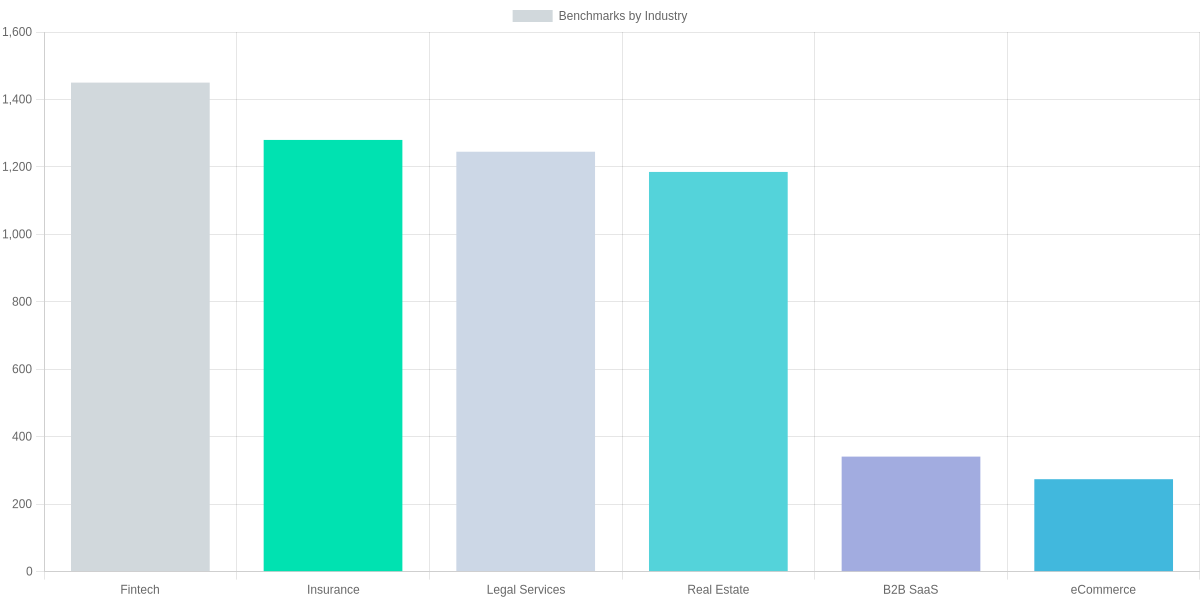
Acquisition costs vary sharply by vertical. Paid CAC benchmarks: Fintech ~$1,450, Insurance ~$1,280, Legal Services ~$1,245, Real Estate ~$1,185, B2B SaaS ~$341, and eCommerce ~$274. Organic CAC is meaningfully lower per vertical (for example, Fintech ~ $900 vs paid $1,450), but ad inflation and privacy changes have driven paid CPC and CAC upward across the board.
By company size
Retention and CAC scale with company size. Enterprise customers show ~82% retention with CAC around $1,847, while micro-businesses average ~64% retention with CAC near $213. Mid-market and small business cohorts fall between those extremes (mid-market ~76% / CAC $892; small business ~71% / CAC $427).
| Feature | Klaviyo | Braze | HubSpot |
|---|---|---|---|
| Primary focus | eCommerce email & SMS | Enterprise customer engagement (in-app, mobile, email) | CRM + marketing automation |
| Free tier | Yes (small lists) | No — custom pricing | Yes (CRM free, Marketing tiers paid) |
| Typical customer size | SMB & mid-market eCommerce | Enterprise & high-growth apps | SMB to enterprise |
| Common retention uplift (reported range) | ~5–15% from targeted flows | ~10–30% from orchestration & personalization | ~5–20% from automation & lifecycle campaigns |
Retention is typically 5–25x cheaper than acquisition; small improvements in churn dramatically affect unit economics. Aim for LTV:CAC ≥ 3:1 as a working target in the current tighter 2026 economy where CAC has risen sharply.
Benchmarks checklist
Pick Your Vertical
Use industry paid/organic CAC (e.g., Fintech $1,450/$900) to set baseline acquisition cost.
Segment by Size
Map to company-size retention rates (Enterprise 82% / Micro 64%) and associated CAC.
Simulate Retention Gains
Model a 3–5% churn improvement to see LTV uplift and faster payback; target LTV:CAC ≥ 3:1.
Roadmap to shift budget and operations from acquisition to retention
Retention Operational Stack
Salesforce + Klaviyo: CRM & Lifecycle Automation
Platform stack for measuring unit economics and automating retention workflows.
- • Segment integration for unified events
- • Monthly cohort LTV and CAC reports (Mixpanel/Looker)
- • Automated churn alerts and lifecycle emails
ReCharge + Smile.io: Subscriptions & Loyalty
Pilot subscription and loyalty programs to increase repeat purchase and LTV.
- • Subscribe‑and‑Save and tiered subscription plans
- • Smile.io loyalty points and tier rewards
- • Personalized winback and cross-sell flows
Audit current spend and unit economics
Calculate LTV, CAC by channel, churn, and payback period using tools like Segment, Mixpanel, and Looker. Use March 2026 benchmarks—CAC surged 222% over eight years and acquisition remains 5–25x costlier than retention—to prioritize high-leverage levers.
Reallocate incrementally
Shift 10–25% of paid acquisition into retention pilots such as ReCharge subscriptions, Smile.io loyalty, or Subscribe-and-Save flows on Shopify Plus. Run pilot A/B tests for 8–12 weeks and only scale after positive lift and payback.
Operational changes
Invest in Salesforce or HubSpot CRM, Stripe or Chargebee subscription billing, and Klaviyo lifecycle automation to scale personalized flows. Align sales, customer success, and marketing on retention KPIs.
Metrics to track
Track active retention rate, gross and net churn, repeat purchase rate, cohort LTV, CAC by cohort, and LTV:CAC ratio. Run cohort analysis monthly and report payback periods.
Experimentation cadence
Maintain prioritized tests: onboarding flow A/Bs, pricing experiments for subscription tiers, and personalized reactivation using Optimizely and Braze. Iterate based on lift and payback.
Set targets: aim for LTV:CAC ≥3:1, reduce churn toward enterprise rates (82%) where feasible, and rebaseline CAC per channel (e.g., B2B SaaS ≈ $1,200) now.
Frequently Asked Questions
Common questions on cost, tactics, and measurement
Retention often beats acquisition on unit economics: 2026 benchmarks show retention 5–25x cheaper and CAC surged ~222% over eight years. Use LTV:CAC 3:1+ targets and cohort analysis in GA4, Mixpanel, or Amplitude to confirm.
Reallocate 10–30% of acquisition spend to pilots using Klaviyo-driven email/SMS flows, ReCharge or Stripe Billing subscriptions, and win-back campaigns. Measure cohort retention, repeat purchase rate, and payback period—small retention gains typically outpace equivalent acquisition spend. Social commerce channels like TikTok Shop can amplify or complicate efforts; prioritize flows that capture emails, subscriptions, and consented retargeting.
FAQ Accordion
Is it always cheaper to retain than to acquire? ▼
How much should I reallocate from acquisition to retention? ▼
Which retention tactic gives fastest ROI? ▼
How do I measure success? ▼
Does social commerce prevent retention gains? ▼
Use Shopify+Klaviyo for on-site capture and flows, and Amplitude or Mixpanel for cohort queries. If pilots show >1.2x incremental ROI on retention vs acquisition, scale to 30%+ reallocations. Prioritize churn-resilient cohorts first using lifecycle tags. Report weekly to marketing and finance stakeholders.
Conclusion
🎯 Key Takeaways
- → Retention is the top ROI lever in 2026 — CAC has surged (up to 222% over 8 years), making keeping customers 5–25× cheaper than acquiring them.
- → Immediate next steps: benchmark CAC and retention, pilot subscriptions, loyalty programs, and customer-experience (CX) improvements (e.g., Subscribe & Save, TikTok Shop retention tactics).
- → Measure lift and reallocate spend: use cohort LTV:CAC targets (3:1+), A/B test retention pilots, and shift budget toward proven retention channels.
From Acquisition to Retention: Why Your Best Customer is Your Current One The "Why": In a tighter 2026 economy, it is officially cheaper to keep a customer than to find a new one. Social commerce (like TikTok Shop) has made the market noisier and more expensive.
With CAC up to 222% over eight years and acquisition now 5–25× costlier than retention, retention is the highest-ROI lever. Aim for LTV:CAC ≥ 3:1 and prioritize tactics that improve repeat value.
Next steps
Benchmark CAC and retention by cohort; set LTV:CAC targets (3:1+).
Pilot Subscribe & Save, loyalty programs, and Klaviyo-powered CX flows; test TikTok Shop retention tactics.
Measure lift via A/B tests and cohort analysis, then reallocate paid spend to proven retention channels.
