




Sacking a client can bring counterintuitive relief and strategic clarity for small business leaders, agencies, and freelancers navigating growth and margin pressure.
This guide will cover the highs, the lows, financial readiness and professional exit steps, drawing on examples from small businesses to assess customer profitability.
Did you know?
Many small businesses find that targeting specific, profitable clients can significantly enhance their margins and overall business health.
Source: Small Business Insights
The strategic case: when sacking a client makes business sense
For small businesses, client selectivity is crucial: letting go of unprofitable clients can free up resources and improve overall profitability. Small business owners often frame client selection as a way to restore focus and margins rather than just seeking growth.
Key strategic levers
Focus on profitable work
Removing loss-making clients improves overall business health and reduces stress on resources.
Avoiding negative-margin clients
High-maintenance clients can drain resources and hinder growth for small businesses.
Operational tradeoffs
Letting go of clients can restore focus but may require careful planning to manage transitions.
Setting clear targets
Small businesses should aim for a balanced client portfolio that supports sustainable growth.
The economics are clear: negative-margin clients erode profitability and hinder growth. Small businesses can benefit from focusing on their ideal clients, which can lead to improved margins and overall satisfaction. This shift can significantly enhance the working environment and business outcomes.
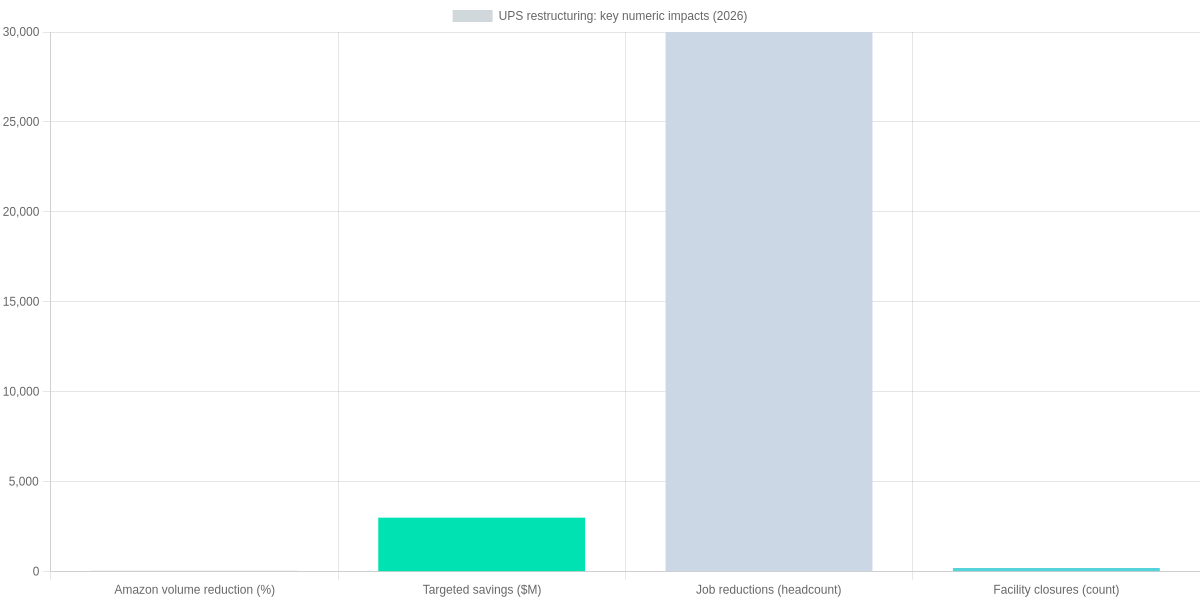
For small agencies and platforms, the lesson is tactical selectivity—prioritize profitable clients over those that merely fill the pipeline.
The highs, the lows, and the relief: emotional and financial realities
The highs
The highs: firing a toxic client often returns focus to profitable work, improves team morale, and sharpens brand positioning. Small businesses can frame client selectivity as restoring focus and margins rather than just volume growth.
Regain, Rethink, Release
When margins sag, the gains from firing a toxic client go beyond dollars: focus, morale, and clearer brand direction. Financial thresholds—cash runway and contribution margins—signal when you can act.
- ✓ Regained focus on profitable work
- ✓ Cash runway ≥ 6 months
- ✓ Contribution margin cushion ≥ 20%
The lows
The lows: expect a short-term revenue dip, internal friction during handover, and PR or client-relation strain as contracts end. Small businesses may face operational and human costs during this transition.
Tool comparison for financial readiness
| Feature | Baremetrics | ProfitWell | QuickBooks Online |
|---|---|---|---|
| MRR forecasting & cohort analysis | Yes — real-time MRR, churn cohorts, forecasting | Yes — subscription metrics, churn, LTV forecasting (free core product) | Limited — cash flow & revenue reports; not SaaS-focused forecasting |
| Gross margin & COGS visibility | Basic product margin reports; integrations with Stripe/Chargebee | Emphasizes unit economics and retention metrics; integrates with billing | Full COGS and gross profit reporting for SMBs; manual setup may be required |
| Pricing (starting) | Starts at $149/month (est. for core plan) | Core metrics product is free; advanced features paid | QuickBooks Online Simple Start from ~$30/month (varies by region) |
| Best for | SaaS companies wanting live MRR dashboards | Subscription businesses focused on retention and pricing | Small businesses needing bookkeeping and profitability reports |
Relief and readiness
Relief requires financial thresholds—cash runway (commonly ≥6 months), contribution-margin cushions, and predictable revenue streams. Tools like ProfitWell, Baremetrics, and QuickBooks Online help small businesses quantify when they can absorb the loss and act with confidence.
How to fire a client professionally (2026 best-practice checklist)
Follow a structured, legally defensible checklist: review the contract, document objective reasons with dates, set a clear handoff timeline, reconcile outstanding fees, and send a written termination using templates and e-signature. Use DocuSign or Adobe Sign for execution and Ironclad or CLM tools to surface termination/non-compete clauses.
Execution steps
Contract Review
Locate termination clauses, notice periods, and non-compete/IP obligations.
Document Reasons
Record missed KPIs, scope creep, and profitable impact with dates and evidence.
Handoff Timeline
Set milestones, deliverables, and access transfer dates; assign an internal owner.
Settle Fees
Reconcile invoices, propose settlement with Stripe or QuickBooks records.
Written Termination
Send a formal email/DocuSign letter using a clear script and cc legal.
Risk Mitigation
Address IP transfer, transition support, and notice/legal risks.
Operational & legal checklist
Confirm notice periods and deliverables; log findings in Ironclad or DocuSign CLM.
Document breaches/KPIs and preserve evidence (QuickBooks invoices, timestamped deliverables).
Propose settlement and final invoice; accept payment via Stripe/QuickBooks reconciliation.
Draft termination email: cite contract clause, deadline, handoff owner; send via DocuSign or Adobe Sign.
Offer limited paid transition support, complete IP handoff, and confirm non‑compete obligations.
| Feature | DocuSign | Ironclad | Adobe Sign |
|---|---|---|---|
| E-signature & termination templates | Industry leader for e-signatures; DocuSign Agreements supports templates and bulk sends; integrates with Salesforce | CLM-focused templates with playbooks for termination workflows; strong for enterprise contract lifecycle | Integrated e-signature via Adobe Acrobat; supports templates and PDF-based termination letters; ties to Adobe Document Cloud |
| Clause detection / AI review | Offers Contract Lifecycle Management with AI features (DocuSign CLM acquired SpringCM capabilities); basic clause search | Built-in clause library and AI clause extraction for termination/non-compete detection | Limited native clause AI; relies on integrations with Adobe Acrobat or third-party NLP tools |
| Audit trail & tamper-evidence | Detailed audit trail, certificate of completion, court-admissible evidence | Comprehensive audit logs for every contract state change and user action | Provides audit trail and certificate of completion within Adobe Sign |
| Salesforce / CRM integration | Native Salesforce integration and AppExchange app | Native Salesforce integrations and enterprise connectors | Salesforce integration via Adobe Sign for Salesforce package |
| Entry-level pricing (indicative) | Plans start around $10–15/user/month for e-signature (individual) and business plans higher; CLM priced separately | Enterprise-priced CLM; contact sales for pricing; no public entry-level CLM price | Adobe Sign individual plans around $9.99/user/month; enterprise pricing for CLM features varies |
Measure impact: track margin change, churn, and any net-new business from repositioning in Salesforce and QuickBooks; report results quarterly to inform future customer selectivity.
Market context, risks and stakeholder management
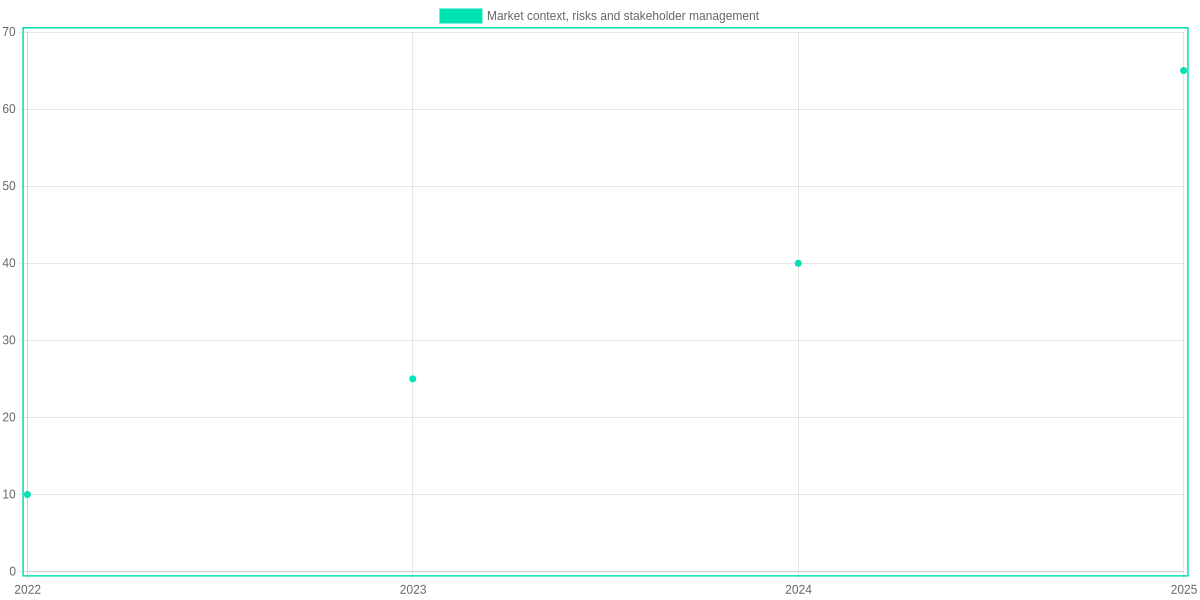
The small business context—driven by restructuring and customer selectivity—heightens risk when terminating clients. Small businesses often face unique challenges that require careful consideration when letting go of clients.
Risks
Primary risks include local economic fallout from facility or client exits, intensified media scrutiny, lost referrals, and operational concentration risk where a single customer drives negative margins. Legal disputes rise when performance metrics and contract terms are undocumented.
Stakeholder Action Steps
Monitor Economic Signals
Track workforce reductions and local job losses to anticipate reputational fallout.
Map Operational Risk
Identify concentration risks and local economic exposure before termination.
Stakeholder Communications
Use tailored scripts for employees, remaining clients, vendors, and community leaders to limit media scrutiny and preserve referrals.
Activate Recovery Levers
Deploy targeted business development, pricing adjustments, and network optimization to replace lost revenue and restore margins.
Stakeholder plan & recovery
Communicate with employees, remaining clients, vendors, and community leaders using tailored scripts; engage PR and local chambers. Deploy targeted business development, pricing adjustments, and network optimization. Use CRM, QuickBooks, and route-planning analytics to quantify impact and track recovery. Measure outcomes monthly with clear KPIs.
Frequently Asked Questions
Measure lifetime margin, include hidden servicing costs and cross-subsidization; small businesses often find that certain clients can be unprofitable and hinder growth.
Mitigate reputation risk with professional communications via Slack or email, offer transition packages and referrals to smooth handover.
Run legal checks: review contract clauses, notice periods, IP and exit obligations, and consult counsel or use DocuSign records.
Financial benefits appear once contracts lapse and margin dynamics normalize; track KPIs in your accounting dashboard weekly. Timing depends on contracts.
FAQ Accordion
How do I know a client is truly unprofitable? ▼
Will firing a client harm my reputation? ▼
What legal checks should I run before terminating? ▼
How long before I see financial benefits after letting a client go? ▼
Conclusion
Firing wrong clients can be a strategic, margin-restoring move for small businesses when done professionally and from financial strength; focusing on the right clients can lead to sustainable growth and improved business health.
Small businesses should prioritize targeting the customers they want, not just the customers they need.
🎯 Key Takeaways
- → Treat firing clients as a margin-restoring strategy when finances allow.
- → Audit profitability with tools like QuickBooks, Tableau or ProfitWell; prepare a termination checklist and scripts before action.
- → Pivot marketing in HubSpot to attract ideal customers — target those you want, not those you merely need.
Next steps
Next: audit profitability with QuickBooks, Tableau or ProfitWell; prepare a termination checklist and scripts; pivot HubSpot campaigns. CTA: review contracts and run a profitability heatmap this quarter.
